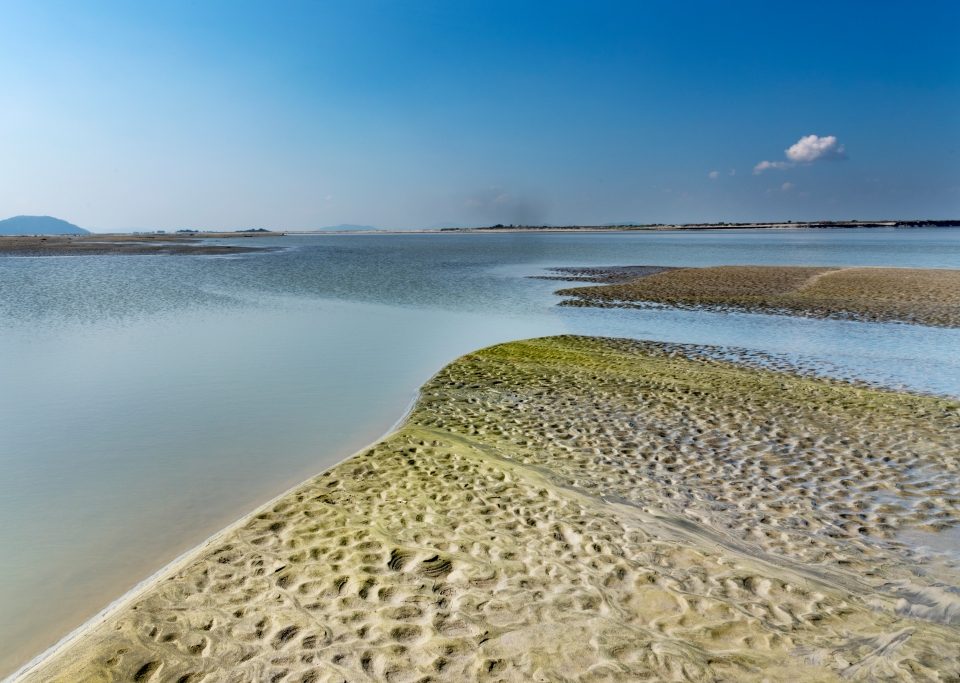
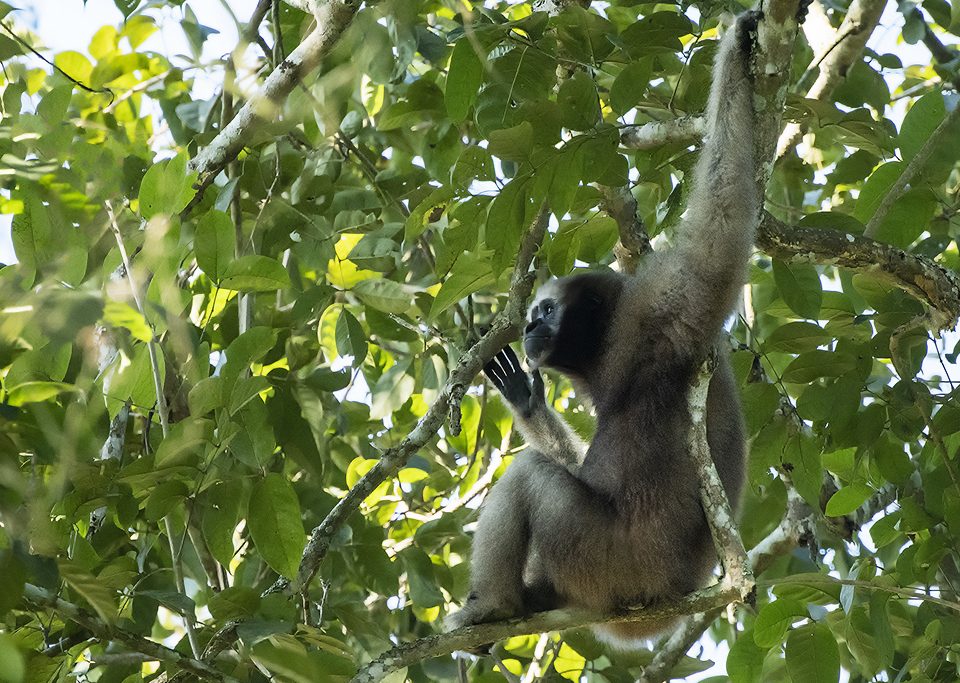
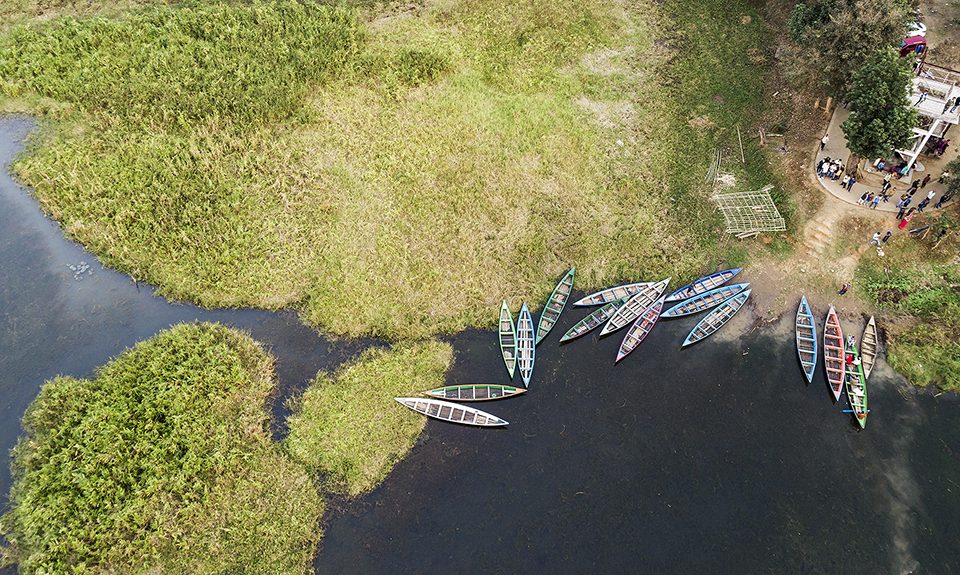
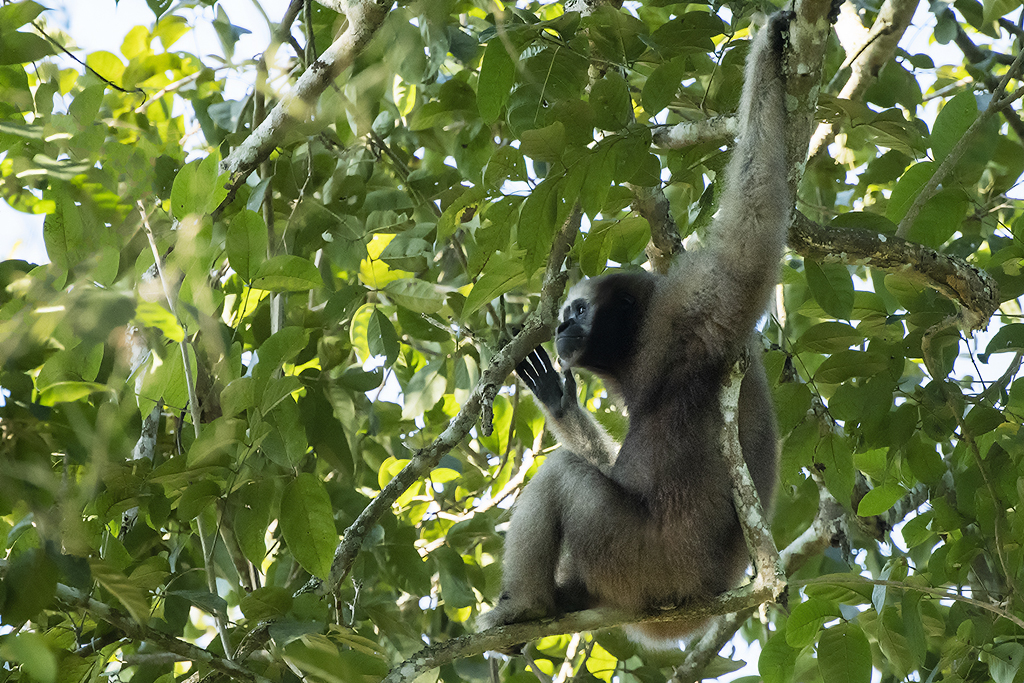
Maguri Beel is located about 15 km away towards north-east of Tinsukia town, the district headquarter of Tinsukia District. ( Maguri beel is located south bank of dibru river which connected through a small channel)Two rivers the Dibru and the Lohit flow alongside from Arunachal and meet the mighty Bramhaputra. This vast piece of land creates a rich trove for wildlife and the Dibru Saikhuwa National Park is located right into this piece of land. To its south located a vast area of sloughs and marshes mix together with sandy Island. These type of swamps or marshes are known as ‘Beel’ in local language. As per the story commonly said by the natives of the surrounding areas that, earlier a kind of catfish locally known as ‘Magur’ were found plenty in this beel. Later on, people living in the surrounding areas start calling this wetland as ‘Maguri Beel’.
Tinsukia is being my in-laws place, so I have a regular visit to this town and whenever we were in Tinsukia; we spent some time roaming around the Maguri Beel and Guijan area. For long we were planning a more serious photography trip to this place but it was not happening until last December 2018. There are both sky and surface transportation connectivity to Tinsukia from Guwahati, the state capital of Assam. Considering the budget and easy availability surface transportation is the best. My personal favorite is the Rajdhani Express which departed from Guwahati in the evening and arrive Tinsukia early in the morning.
Being commercial hub of Upper Assam and is border sharing other status of North-east India, Tinsukia has a wide range staying facility from budget to luxury hotel and resort. Apart from the hotels located in heart of the city there are few hotel and resort located besides the road from Tinsukia to Guijan. Nowadays few small resorts have been developed in the nearby area of Maguri Beel. There are also good options for staying few nights. Kohuwa Eco Camp is one such small beautiful resort just near by the canal connecting Maguri Beel with the Dibru River. This one is my personal favorite for three reasons. 1st the beautiful landscape of Maguri Beel is right in front of you from any corner of the resort. Secondly this resort has homely staying with good quality food which includes a testy small fish from Brahmaputra locally known as ‘Boroliya’. 3rd but most important is they have an integrated facility of boat and boatman who themselves are good birding guide and they had enough patience to follow your request for moving the boat whatever time you want. They will never say no to your request to stop the boat wherever you want or to spend some extra time at the beel other the routine time for a boating trip.
The winter guests of Maguri Beel start arriving from month of October and they spent the winter here and goes back by the end of the month March, when temperature of the environment increase and rain start in this part of the region. Different goose and duck such as Bar-headed goose, Greylag goose, Cotton pigmy goose, Common coot, Whistling duck, Northern Pintail, Rudy shelduck, Common pochard, Ferruginous duck, Northern shoveler , Little grebe, Falcated duck etc are commonly found in big number during this period in Maguri Beel. Apart from these, some other kind of duck like Baikal teal also spotted in Maguri Beel. Other wetland birds such as Lapwing, Heron, Black winged stilt, Glossy ibis, Black neck ibis, Common greenshank, Wood sandpiper, Green sandpiper, Common Snipe, Little ring plover, Common swamp hen, Purple swamp hen etc are also broadly seen in this place during this part of the year. In the above list I have not included other common resident birds which are seen in different part of our place as well as the Maguri Beel.

Bar headed goose (Dec’18)

Little grebe (Dec’18)
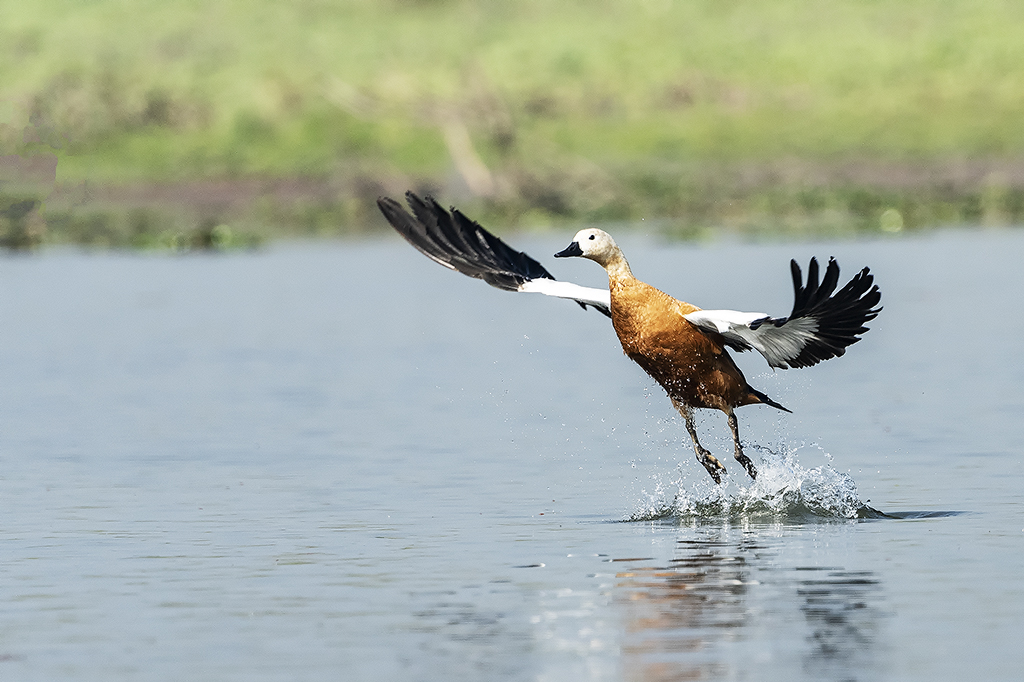
Ruddy shelduck (Dec’18)

Little ringed plover (Dec’18)

Glossy ibis (Dec’18)
Apart from the these wetland guest some raptor like Hen Harrier, Pied Harrier, Black-winged kite and different type of owlet such as Spotted owlet, Asian barred owlet, Brown fish owl, etc also seen in these area. During early in the morning these owlets can be seen on the small trees available in the premises of the Kohuwa Eco Camp.

Pied harrier (Dec’18)
The Maguri Beel is surrounded by large area of grass land which is paradise for grassland birds. Large number of grassland bird such as Jerdon’s Babbler, Marsh Babbler, Yellow bellied babbler, Striated Babbler, Blue throat, Chestnut-capped babbler, Swamp francolin, Stonechat, etc are found in this grassland which is surrounding the Maguri Beel. This grassland also gives shelter to a big number of Asiatic water buffalo.

Citrine wagtail (Dec’18)

Striated babbler (Dec’18)
So over all we can say that Maguri Beel is now a paradise for bird and wildlife photography in particular and all type of nature lover in general. With continued effort from some of the local enthusiasts individual and organization we have witnessed a good growth of eco-tourism in Maguri Beel. Local people living in its adjacent villages are now getting more option of livinghood other than fishing at Maguri Beel. But like all wetland of this part of the country Maguri Beel is also facing threat from the fast urbanization of its surrounding area. Also the various activity by Oil India Limited for searching crude oil around this wetland and grassland are a big threat to this beel which need immediate attention from all concern.
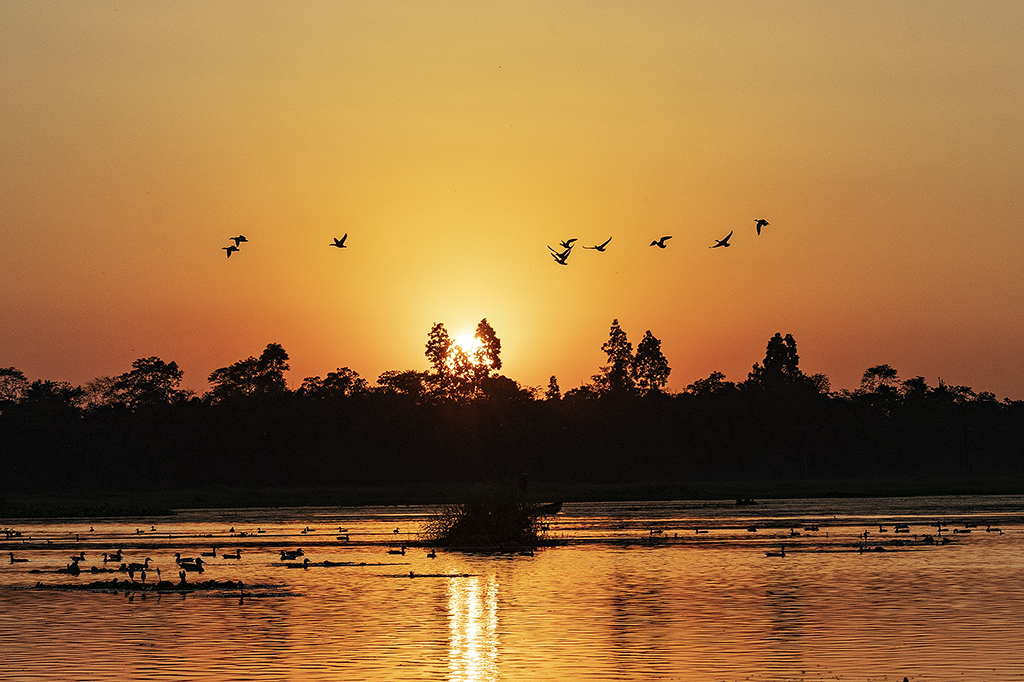
Flock of Ducks and Goose