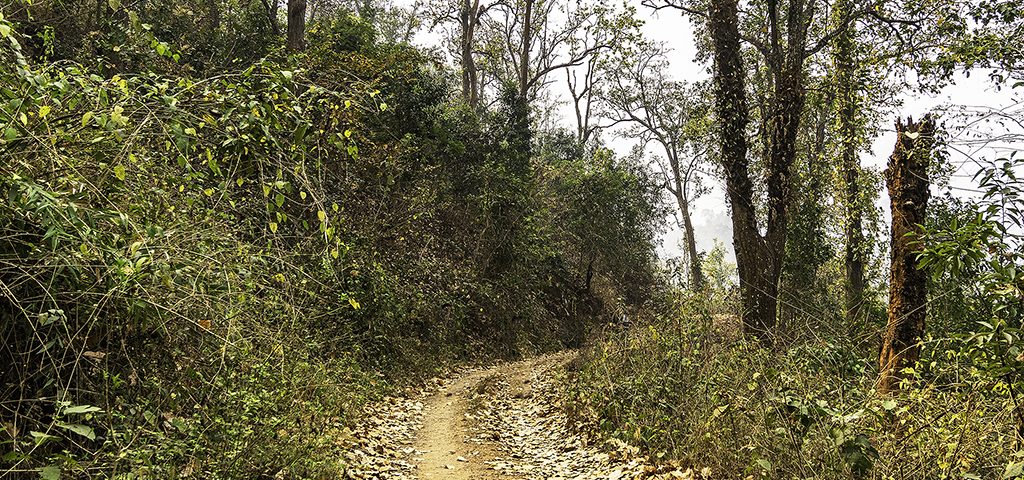
When I started my blog; my intension was clear that I will writea brief notes on those placeswhich I visit with my camera. Garbhanga is one of such place, which we visit on a regular basis for collecting photograph of different wildlife, especially birds living in this forest area. Garbhanga Reserve Forest covers nearly 14.6 square kilometer area in Assam and Meghalaya state border near Guwahati city. The hilly area of Meghalaya covers the eastern and northern side of the forest. Western border shared by Rani Reserve Forest and the Southern site by Guwahati City and Deepor Beel Bird Sanctuary. This forest has two entry roads – one from the Basistha Temple and the other from the Lakhra area. A village of Karbi people, namely Garbhanga Forest Village is located inside this forest area near Meghalaya State Border at a distance of nearly 21 kilometer from Lakhra Village in Guwahati city. Recently government has approved the construction a road having a distance of 21 kilometer from Lakhr to this Garbhanga Village under Pradhan Mantri Gram Sadak Yojana and our visit to this forest is mainly through this road only.
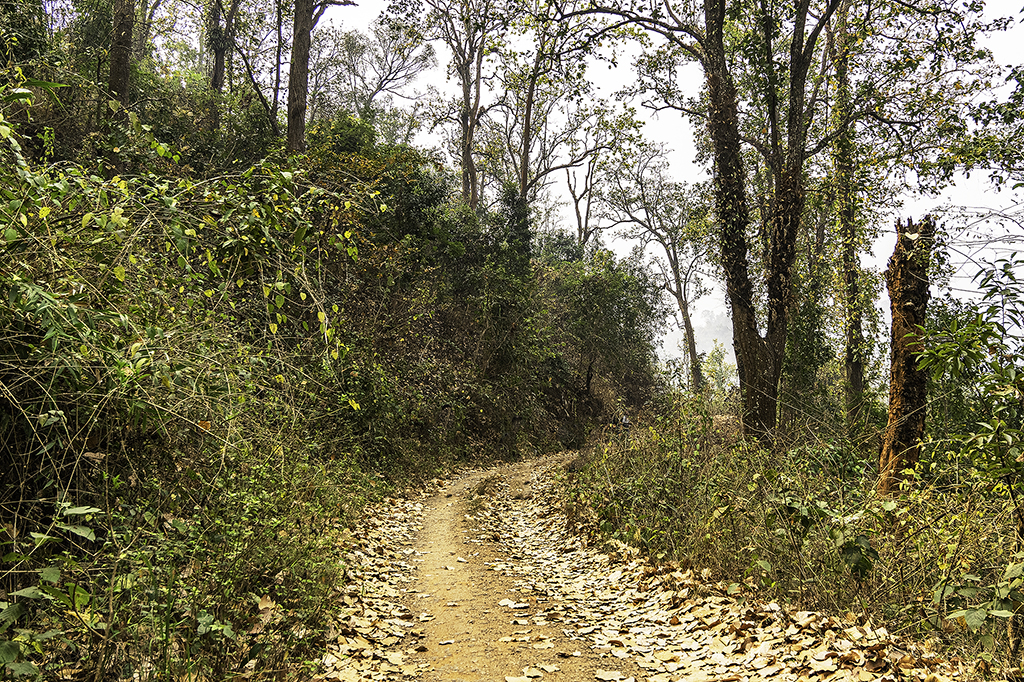
Apart from two wheelers no other public vehicles are allowed to run in this road. Only vehicle such as small pick truck belongs to the villagers of the Garbhanga village is allowed to run in this road. Normally we use to walk in this road up to a distance nearly 5 to 6 kilometers. Some time we ride our motorbike to cover more distance in this road. Apart from this main road there are some off road, which we call “short cut”, created by the villagers coming from the Garbhanga village on their foot to Lakhra Bazar for collecting their daily needs.
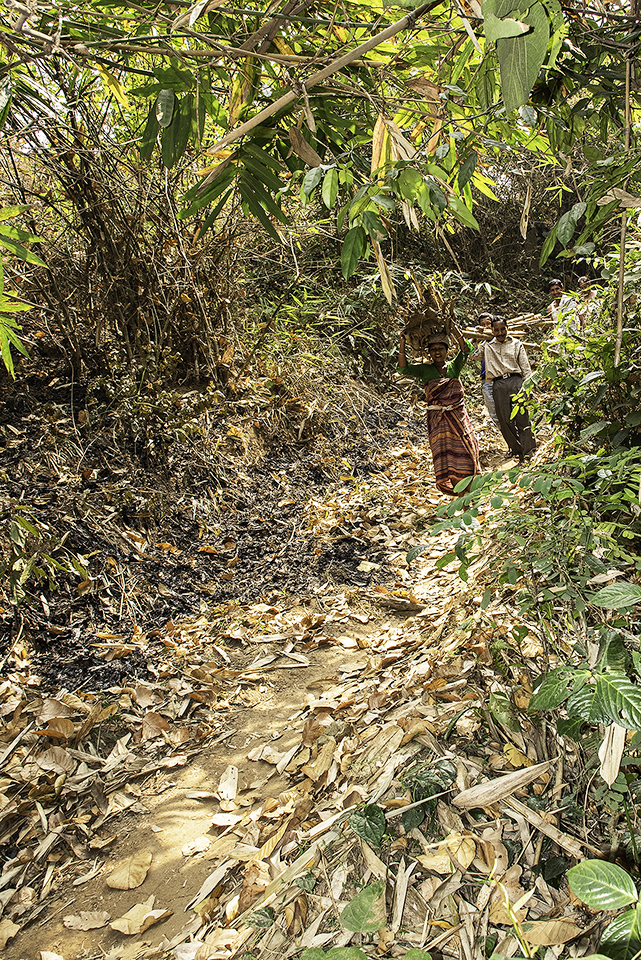
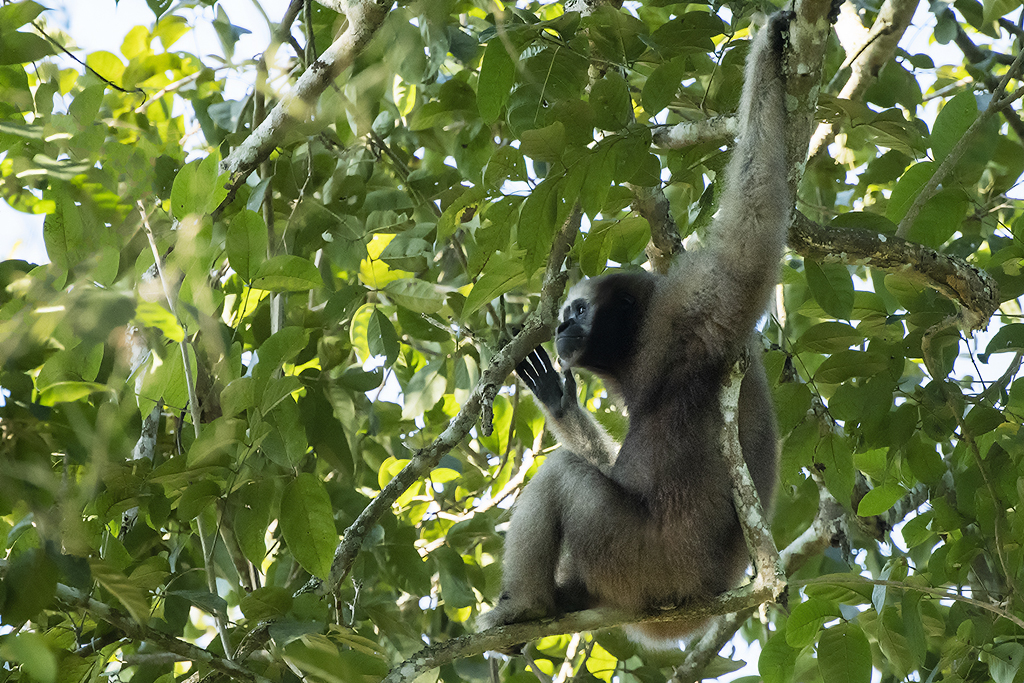
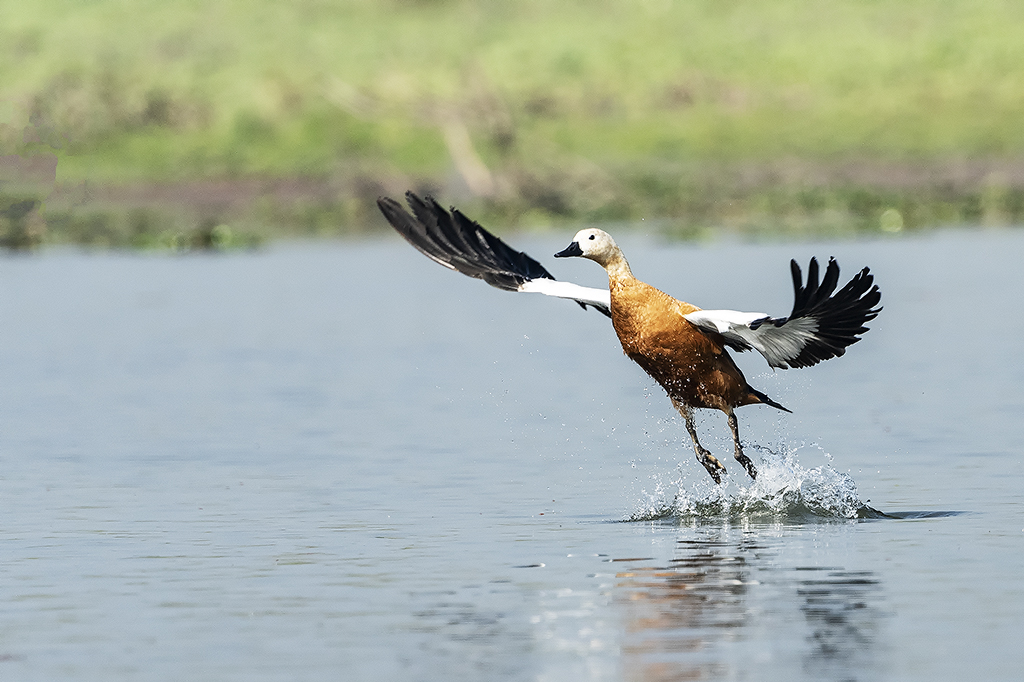
Garbhanga Reserve Forest is a home for a large numbers of Asiatic Elephant. Apart from this beautiful creature, few other mammals, rare reptilelike Geckos, different types of lizard, various types of birds, butterflies and insect are living in the forest. This forest is a paradise for bird watcher or bird photographer. As many as 125 to 135 bird species have been spotted during various studies carried out by individual or organization. The forest has both residential bird and seasonal visitors visiting during the summer and winter. Some notable residential birds that have been spotted in this forest are like Brahminy Kite, Oriental Honey-Buzzard, Great Slaty Woodpecke, Brown Fish-Owl, Oriental Dwarf Kingfisher, Blue Earned Kingfisher etc. On the other hand Pied Harrier, Plumbeous Redstart, Blyth’s Leaf-Warbler, White-capped Redstart, etc are some notable winter visitor of this forest and Hooded Pitta, Verditer Flycatcher, etc are some notable summer visitor of this forest.

Dark-necked tailorbird
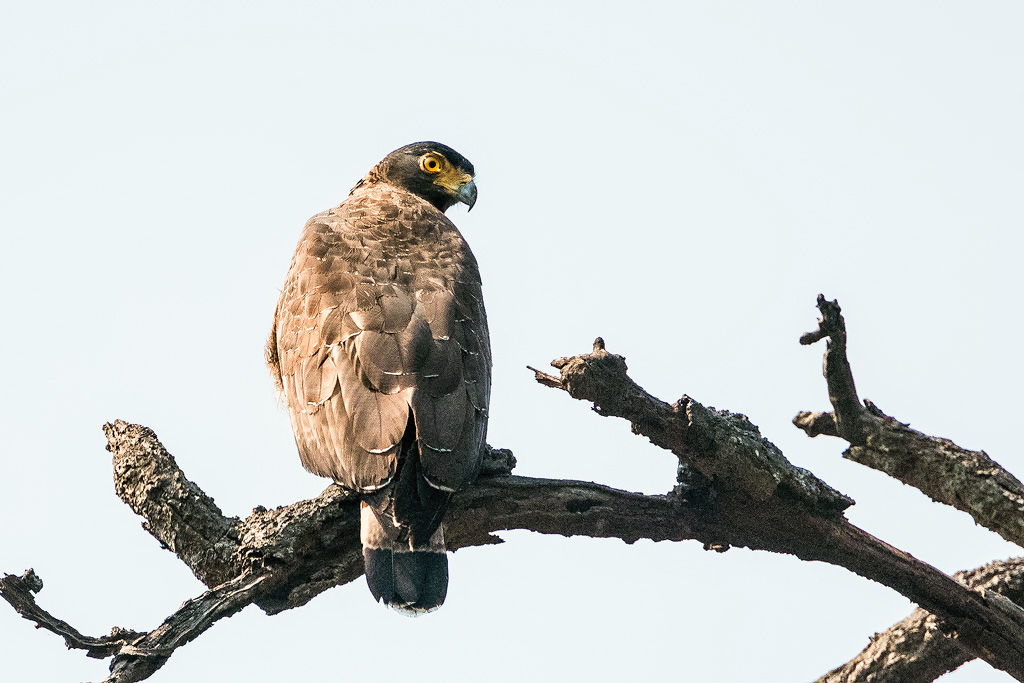
Crested serpent eagle
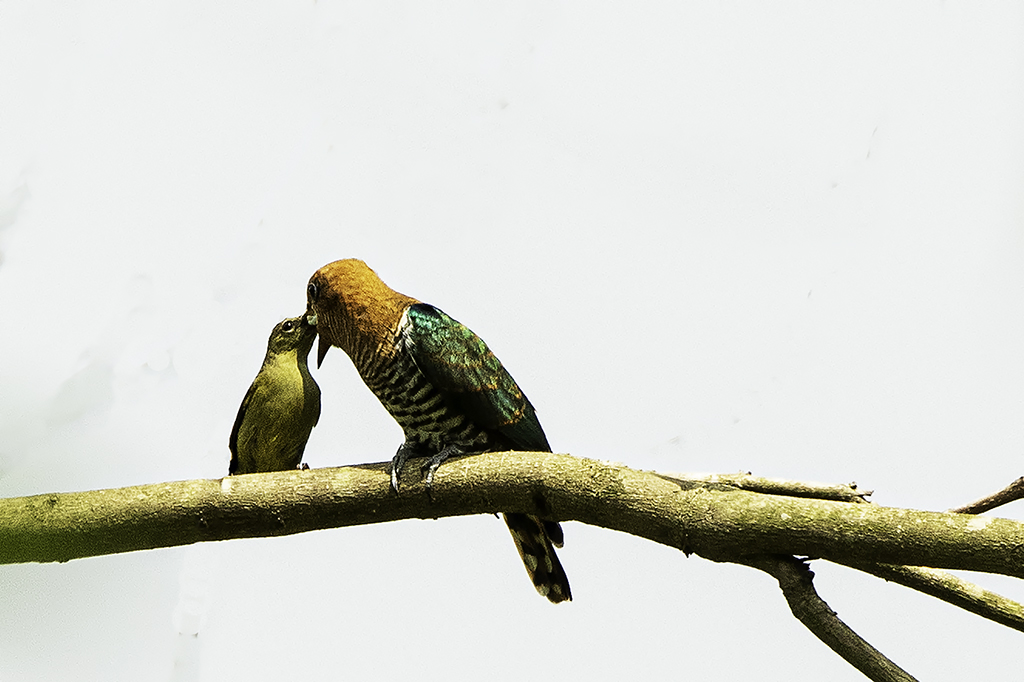
Tiny Sunbird mother feeding baby Asian emerald cuckoo
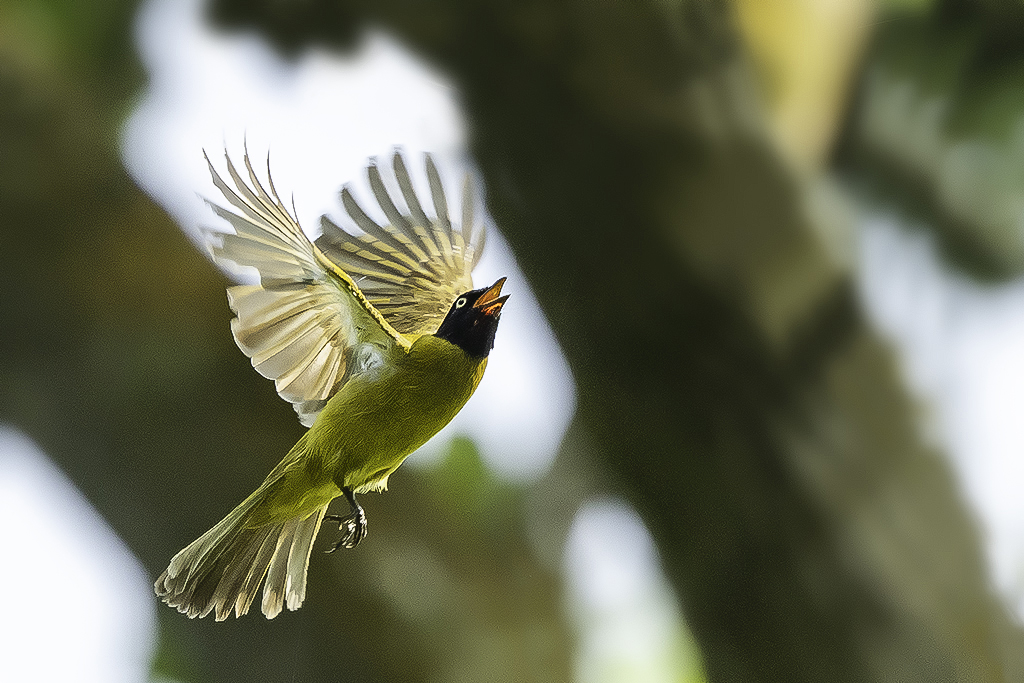
Black-crested bulbul

White-browed piculet
If Garbhanga is the paradise for bird watcher or bird photographer than its heaven for butterfly lover and macro photographer. A study shows that more than 65 numbers of butterfly species has been recorded at this location and this number may further increase. Fringed Branded Redeye, Purple Sapphire, Forest Pierrot, Forget-me-not, Club Silverline, Yamfly, Indian Nawab, Large Yeoman, Common Rose, etc are some stunning butterflies commonly found in Garbhanga. Apart from these stunning butterflies different type of beautiful moths like Atlas, Owlet, and Burnet are also found in Garbhanga. Numbers of different kind of incest are also found in this forest such as various types of Grasshopper and Mantis, different type of beetles like Weevils, Ladybird, other insect like Leaf Insect, Stick Incest, etc. All this made Garbhanga a haven for Micro Photography.
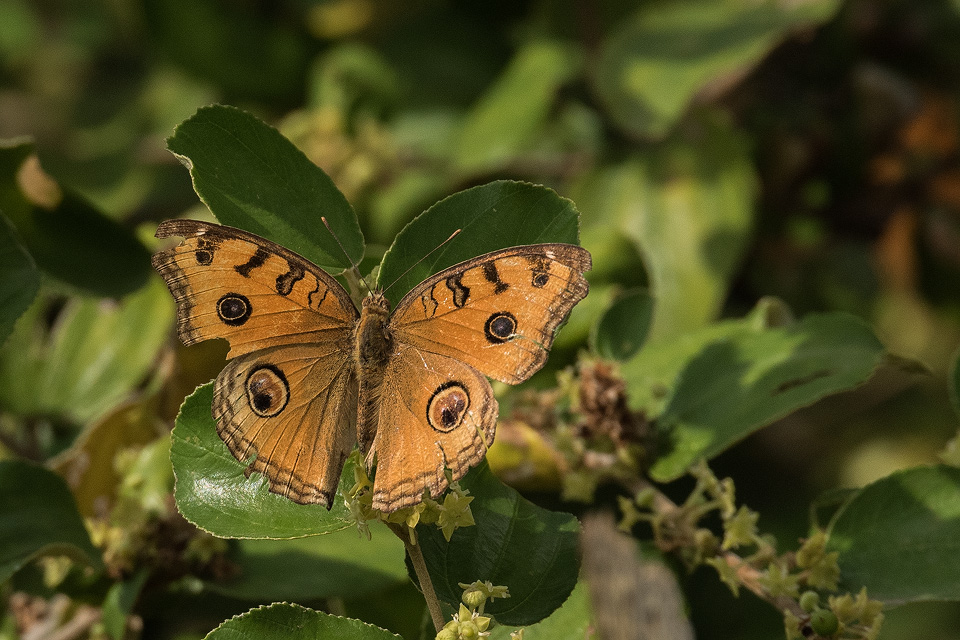
Peacock Pansy
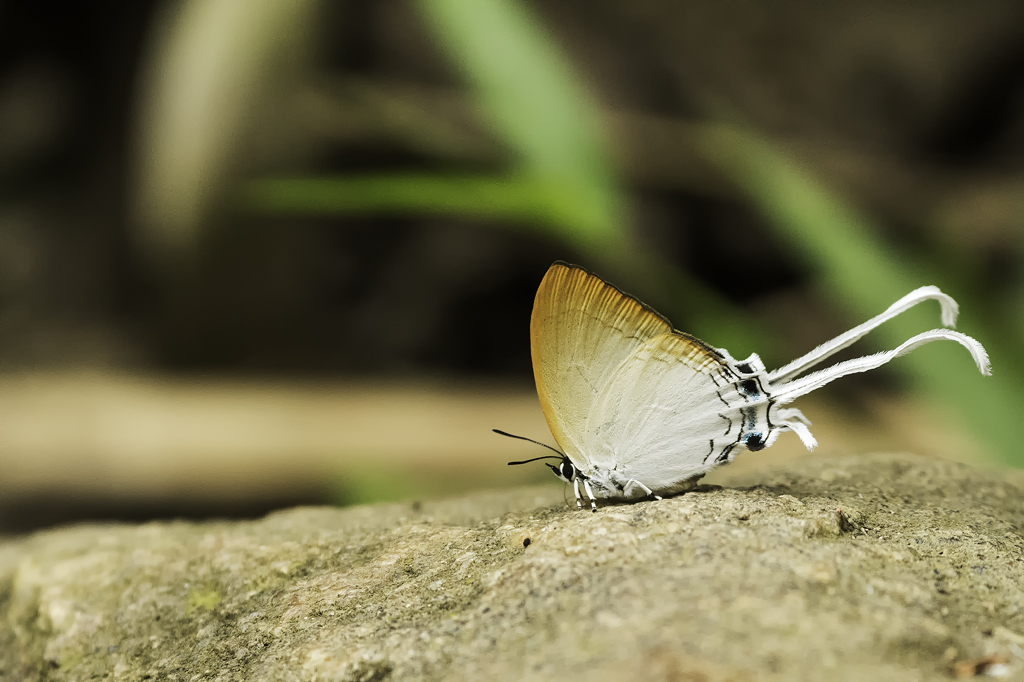
Fluffy tit

Beetle

Beetle
Other than Nature and Wildlife Photography this Garbhanga forest has a potential source of people photography. On every Sunday morning lots of Karbi people from the Garbhanga Forest Village come to the weekly market at Lakhara. They use to collect foodstuff from the forest such as Banna Flower, various green vegetable, Taro Root, etc and bring them to sell that stuff at Lakhara Bazar. They use to come on their foot and walk nearly 2 to 3 hours to reach the market at the foothill. The village is a good source of People Photography.
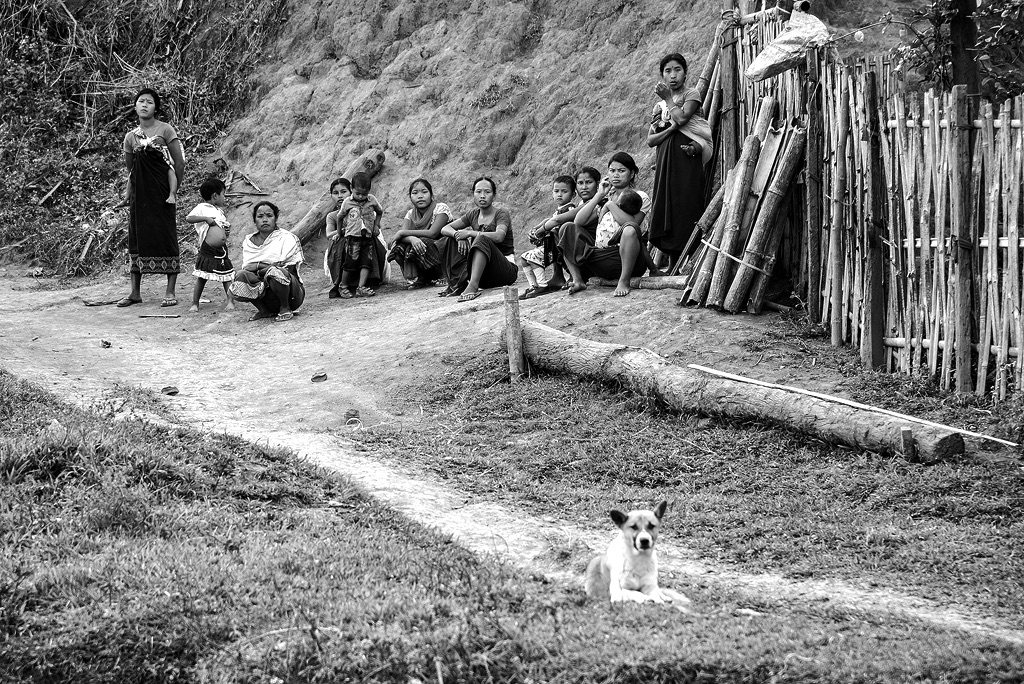
People at Garbhanga Forest Village
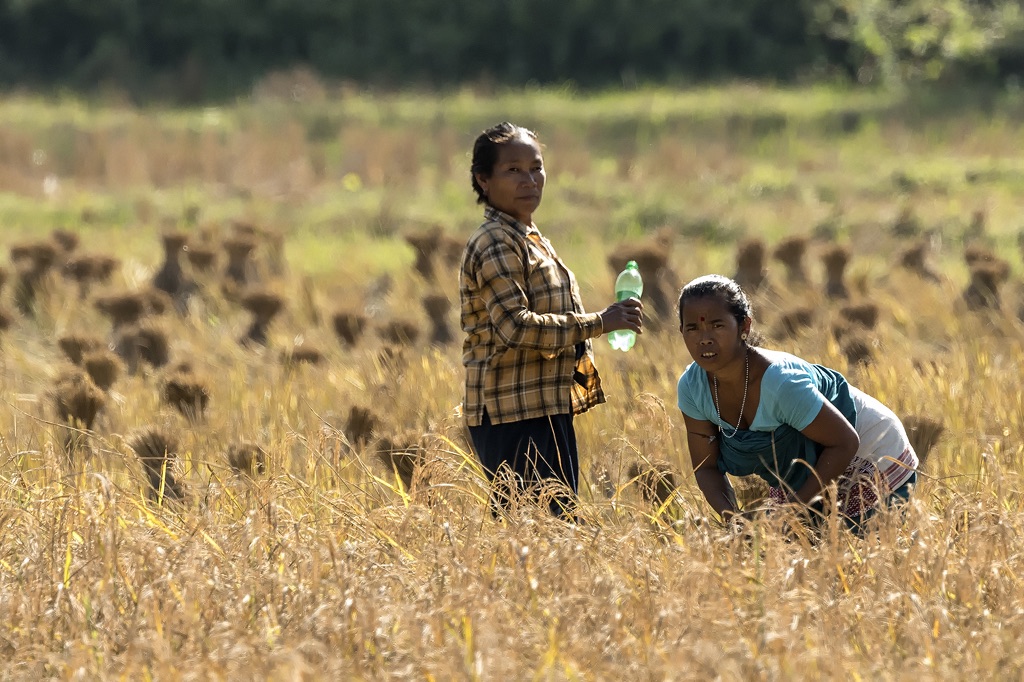
Women Working in the Paddy Field of Garbhanga Forest Village
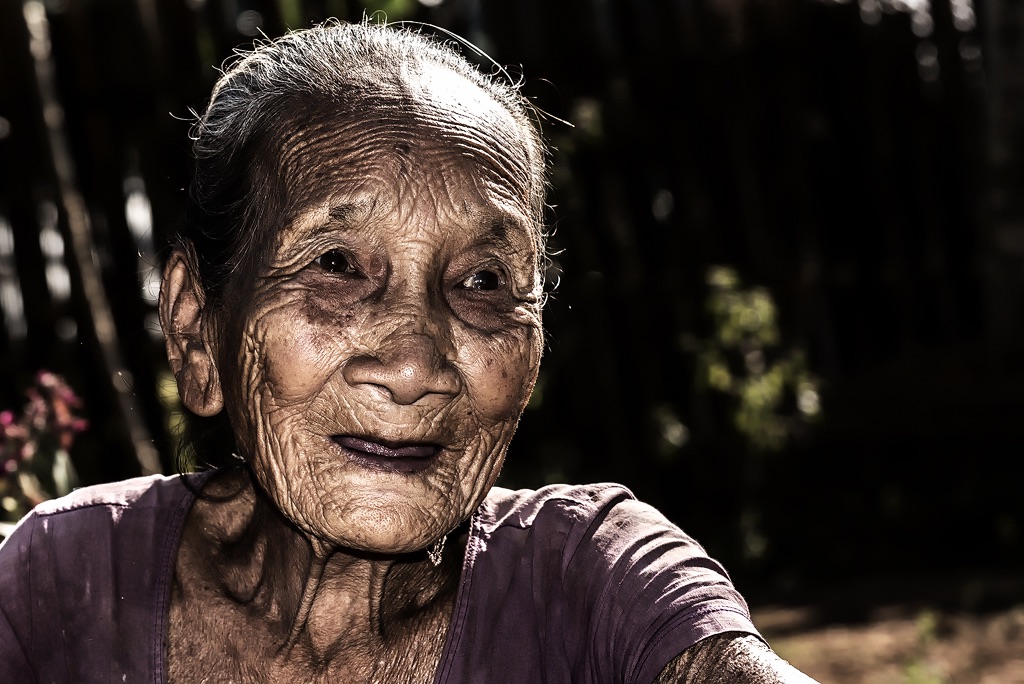
Portrait of a More Than 100 Years Old Lady at Garbhanga Forest Village
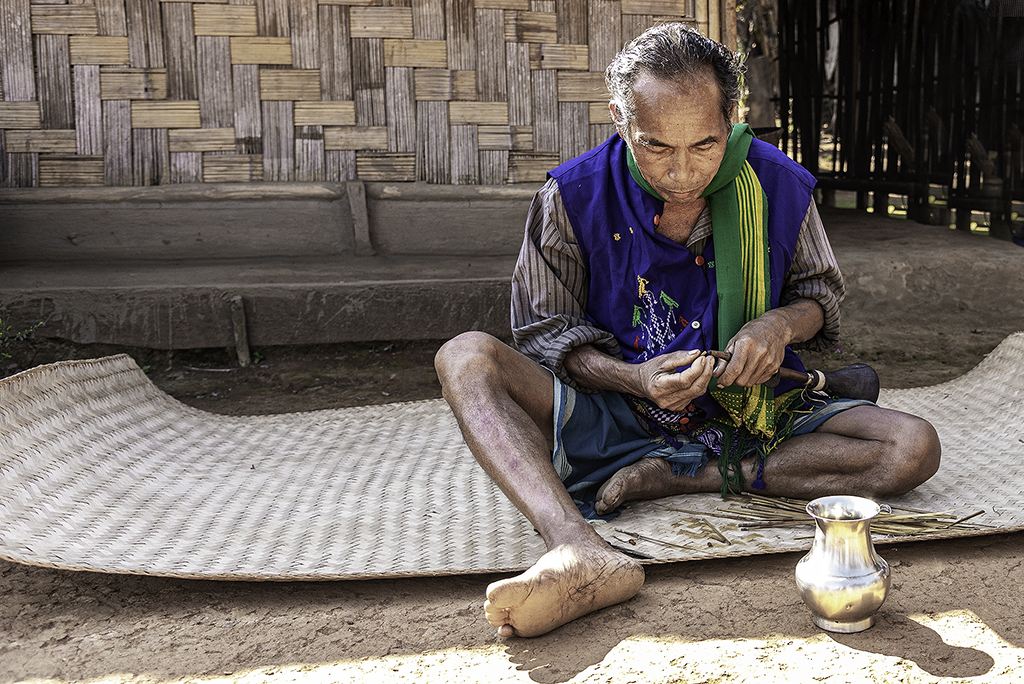
A Karbi Man Making his “Kali”Ready
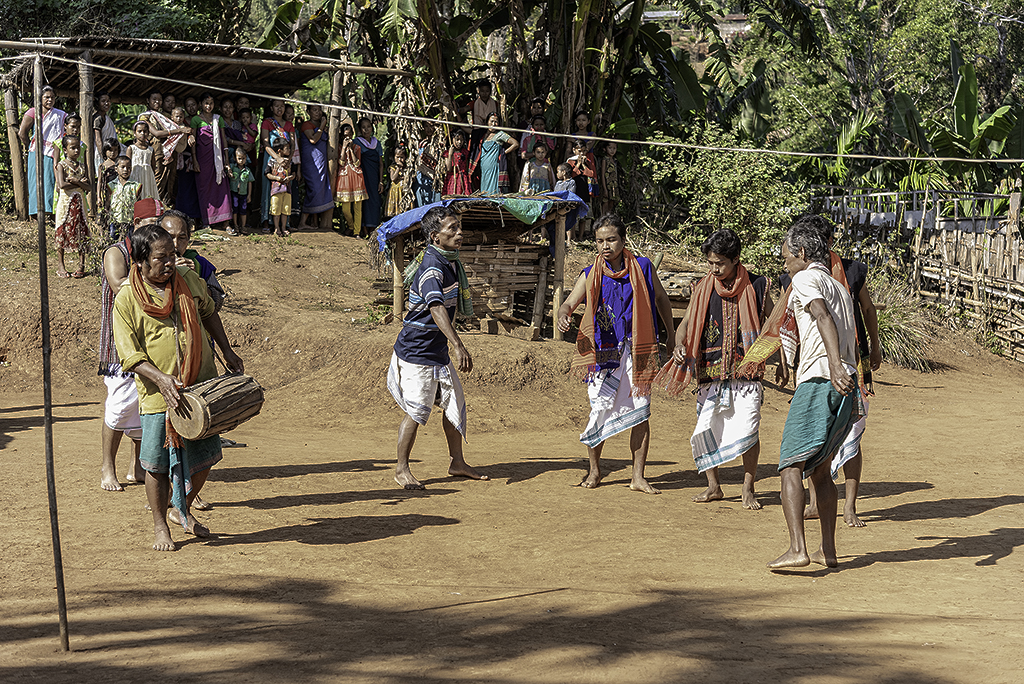
Dance Performance by The Village Youths
Apart from this photographic side of the forest, there are good opportunities of hiking, tracking, cycling or motorbike riding through this forest. Different local adventure group use to organize such hiking or tracking trip and camp in Garbhanga. For this they mainly use to choose the road from the Vasistha Temple. The distance of the tracking road is aprox 16 kilometers. The village has safe place for camping to stay the night. For cycling or riding the road from Lakhra isbetter.
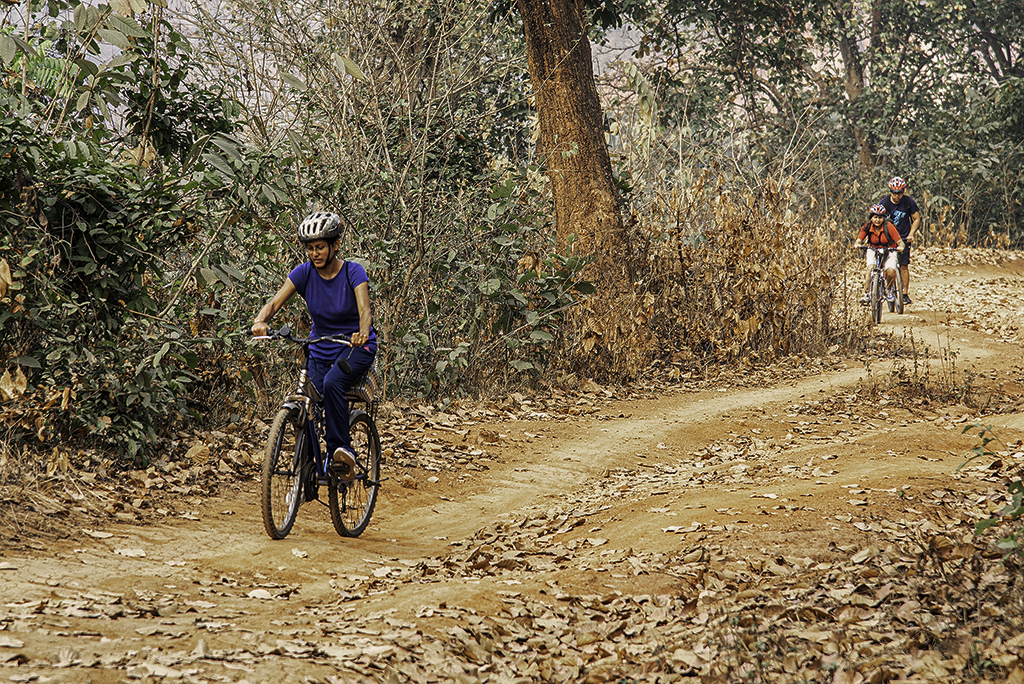
Cycling at Garbhanga
Garbhanga Reserve Forest has very high potential for developing Eco Truism. We need a well-planned initiative from concern department of the Government. During one of our visit we have seen a group of people was having picnic at the bank of a small hill stream inside the forest with big music system. I have no idea how forest department has allowed people to have picnic inside a reserve forest with load music. This should be restricted and the living being of this forest should not be disturbed.